20+ years designing AI-powered, data-rich products from zero to production. From startups to enterprise across SaaS, fintech, pharma, maritime and telecoms including work that contributed to a £3.5M acquisition.
Enterprise SaaS, AI tools, maritime tech, gaming, and brand work - across agencies, startups, and global companies.
AI Consultation · UX/UI
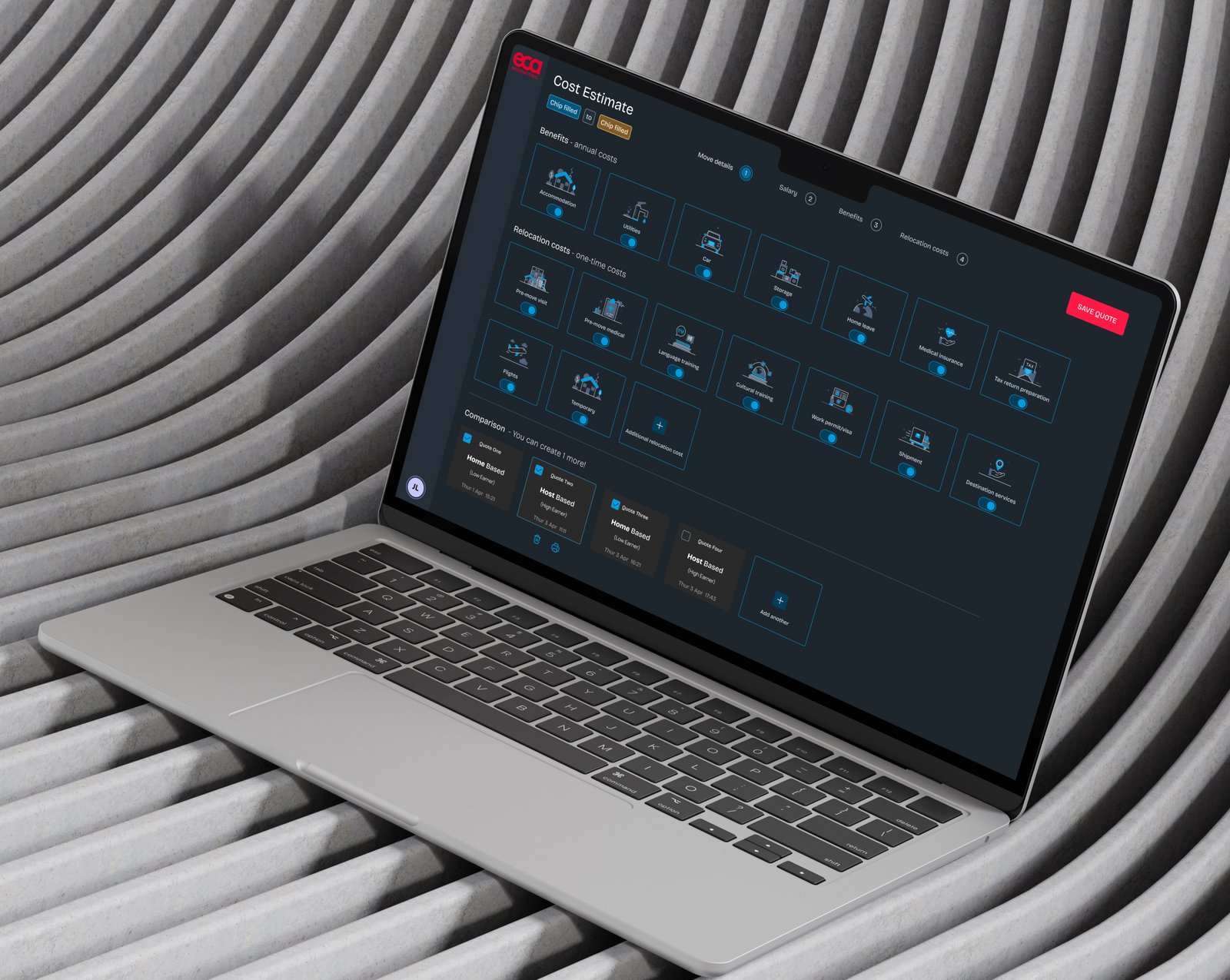
ECA International
AI-driven relocation estimation for global assignments
Head of Design · Web & iOS
Silverstream Technologies
Maritime ALS performance platform - web app & iOS in 6 months
UX/UI · £1M+ Product
SAP
Led Context-Driven Services from concept to delivery - still on the price list
Founder · Art Direction
Monkey Nuts Studio
Playful interactive web games - SEIS-funded, built with community
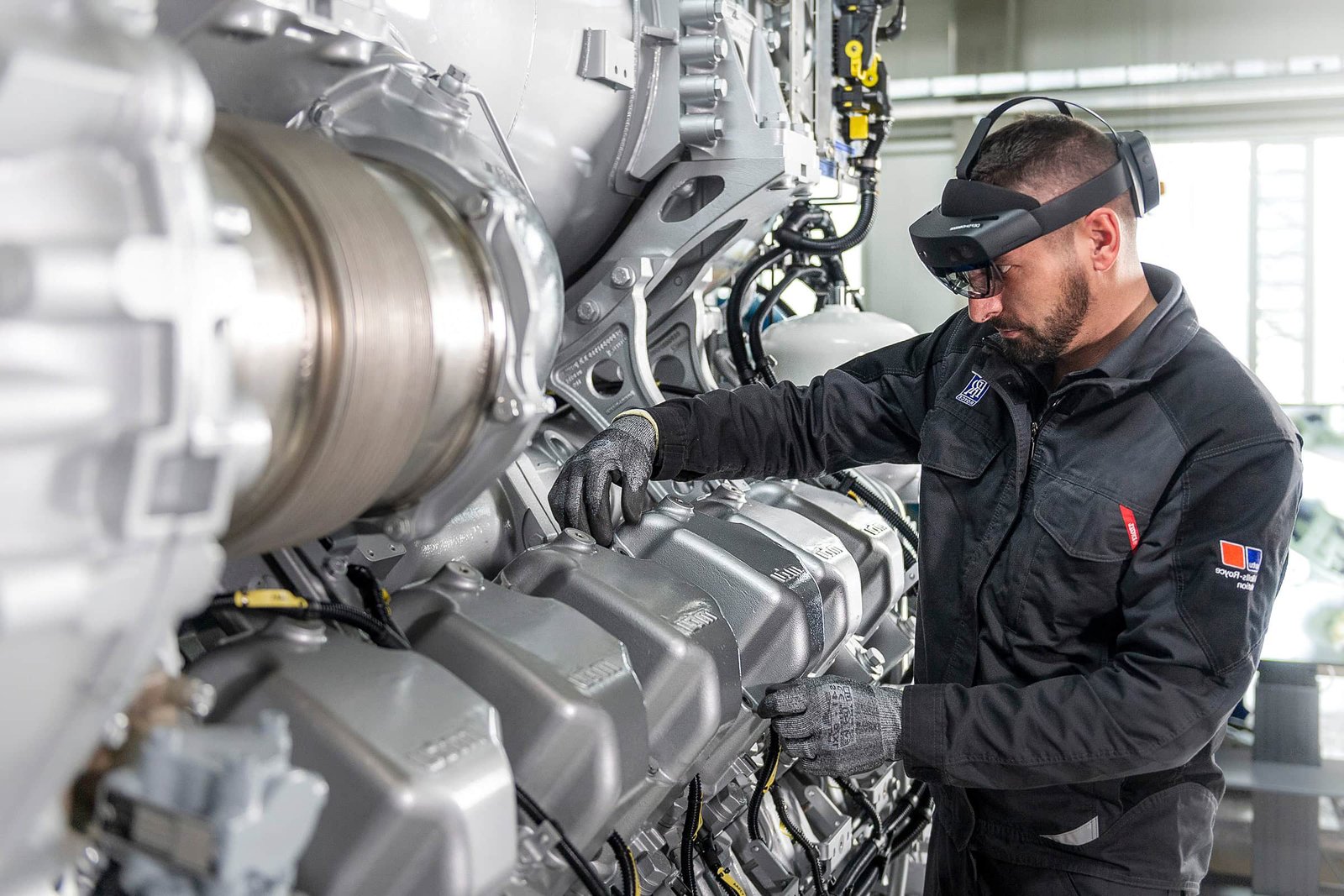
AI Voice UX · Rolls-Royce
Candyspace
Conversational AI assistant for real-time engine diagnostics
Art Direction · Vodafone
GGMR
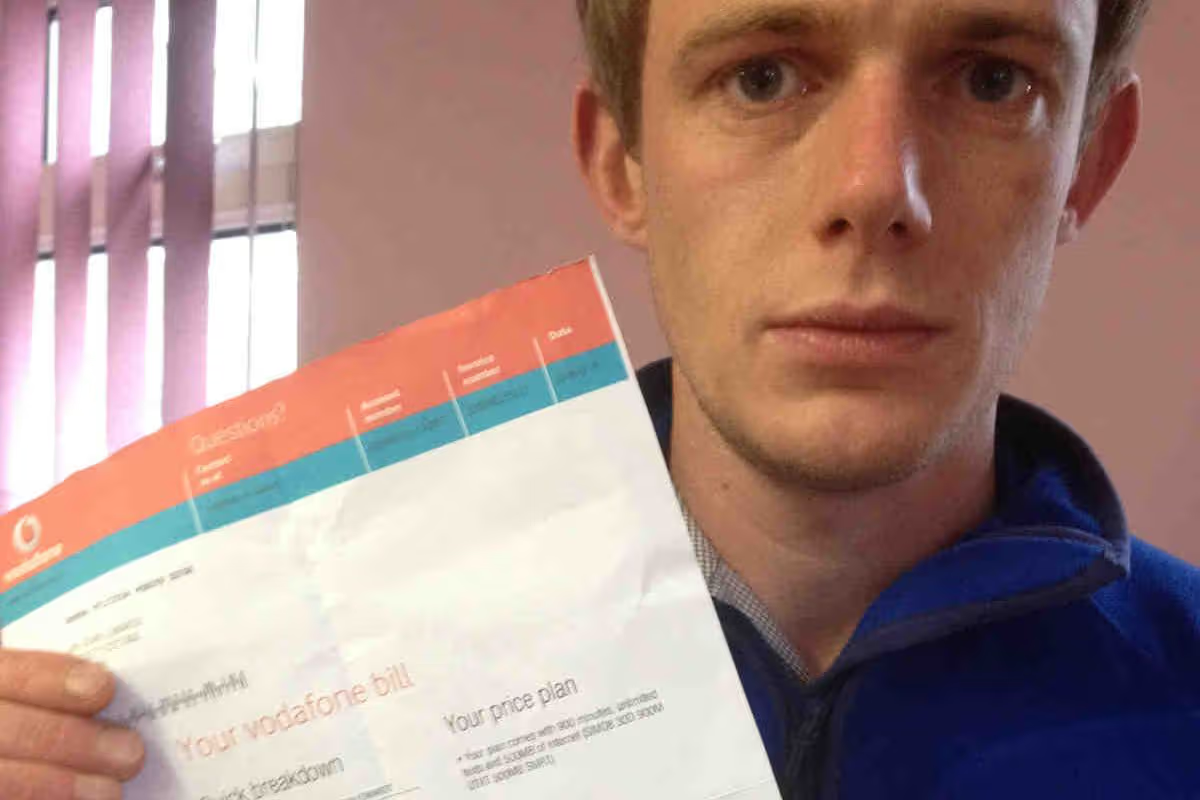
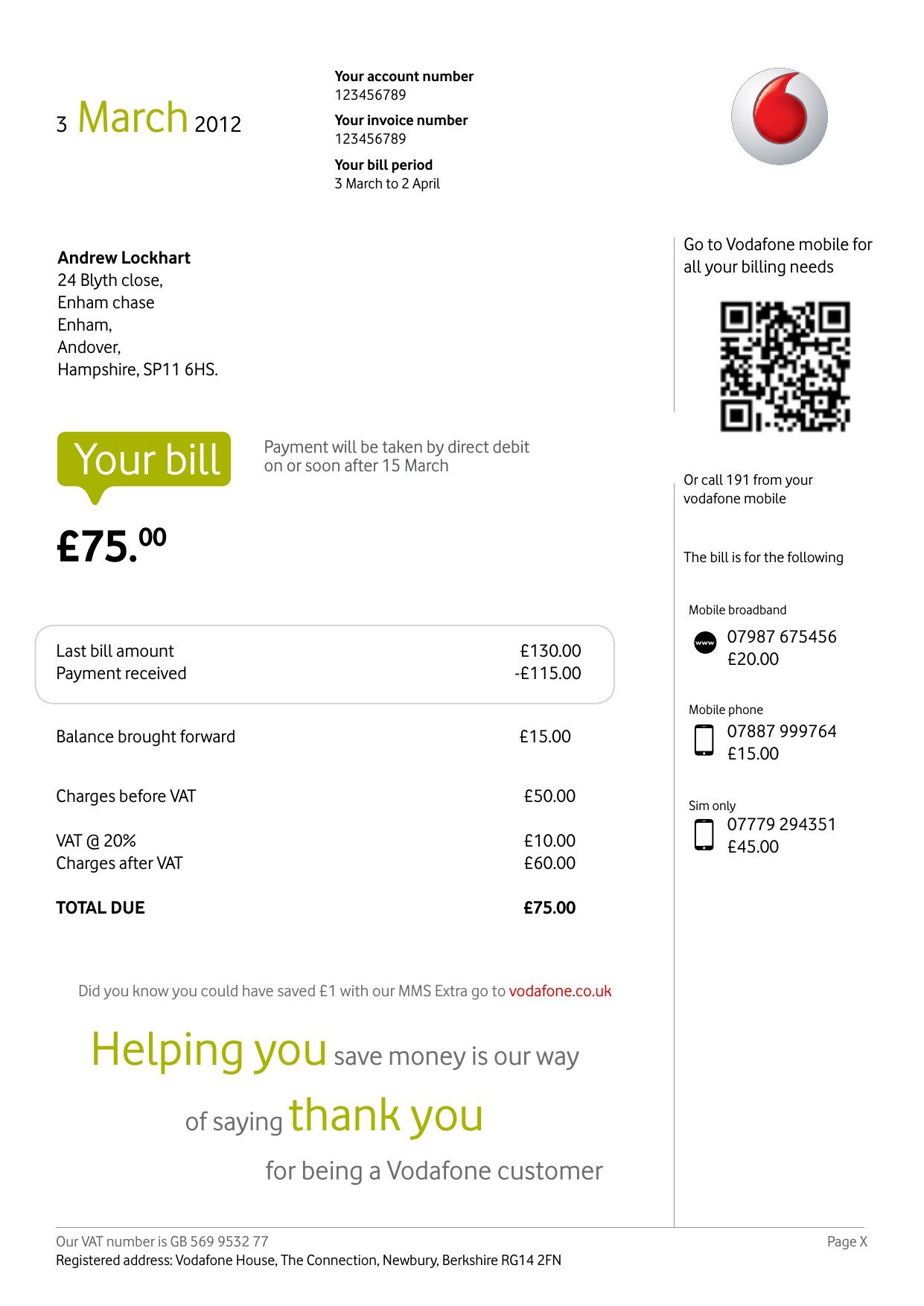
Full Vodafone bill redesign to reduce customer anxiety
// Interview Projects
Designed under time pressure.
Take-home design challenges completed as part of interview processes - full brief and work shown.
Interview Task · Auth UX · Compliance SaaS
Global Relay
Unified login system for a financial-grade SaaS platform - 4-day brief, 30-page response
Interview Task · EdTech · Product Design
Zen Educate
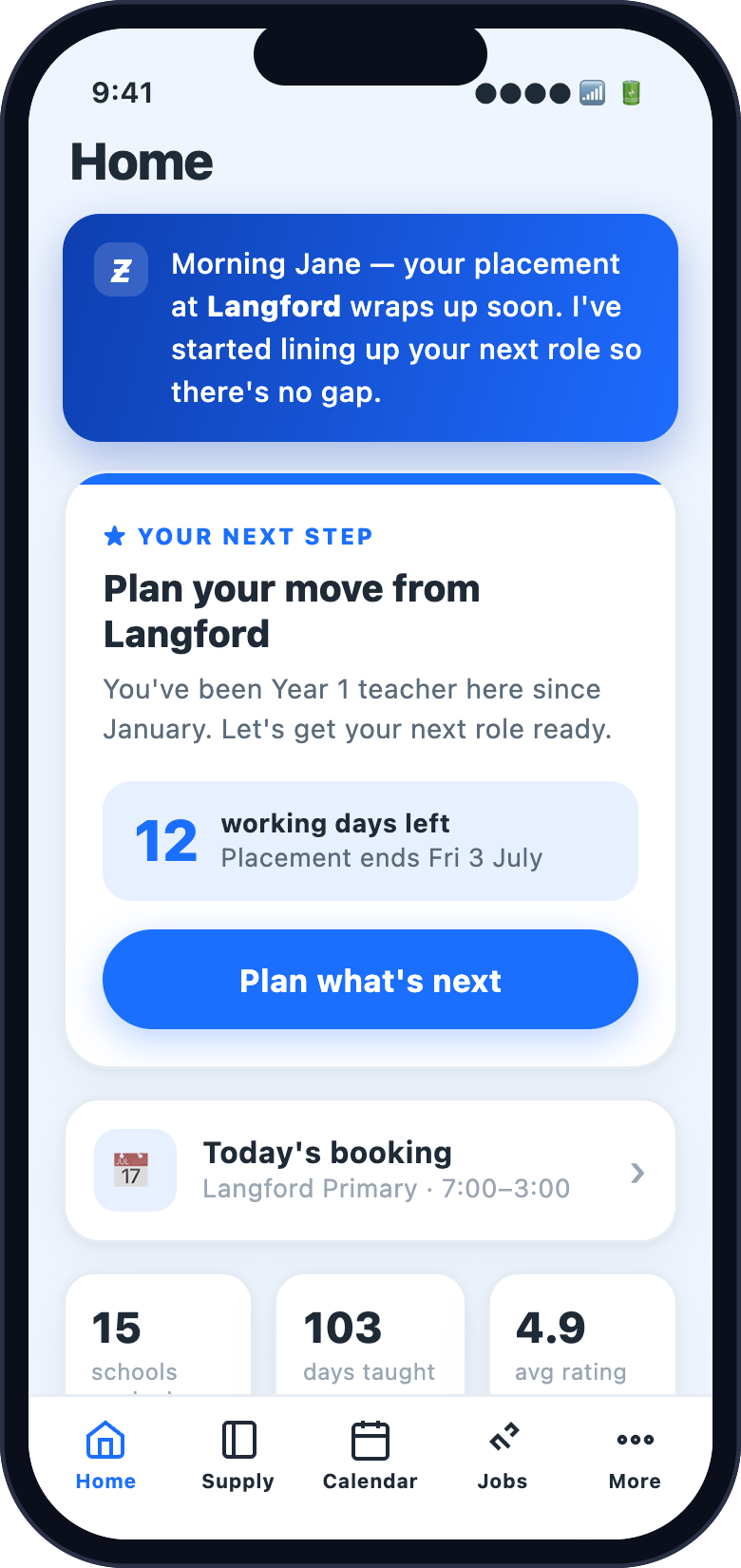
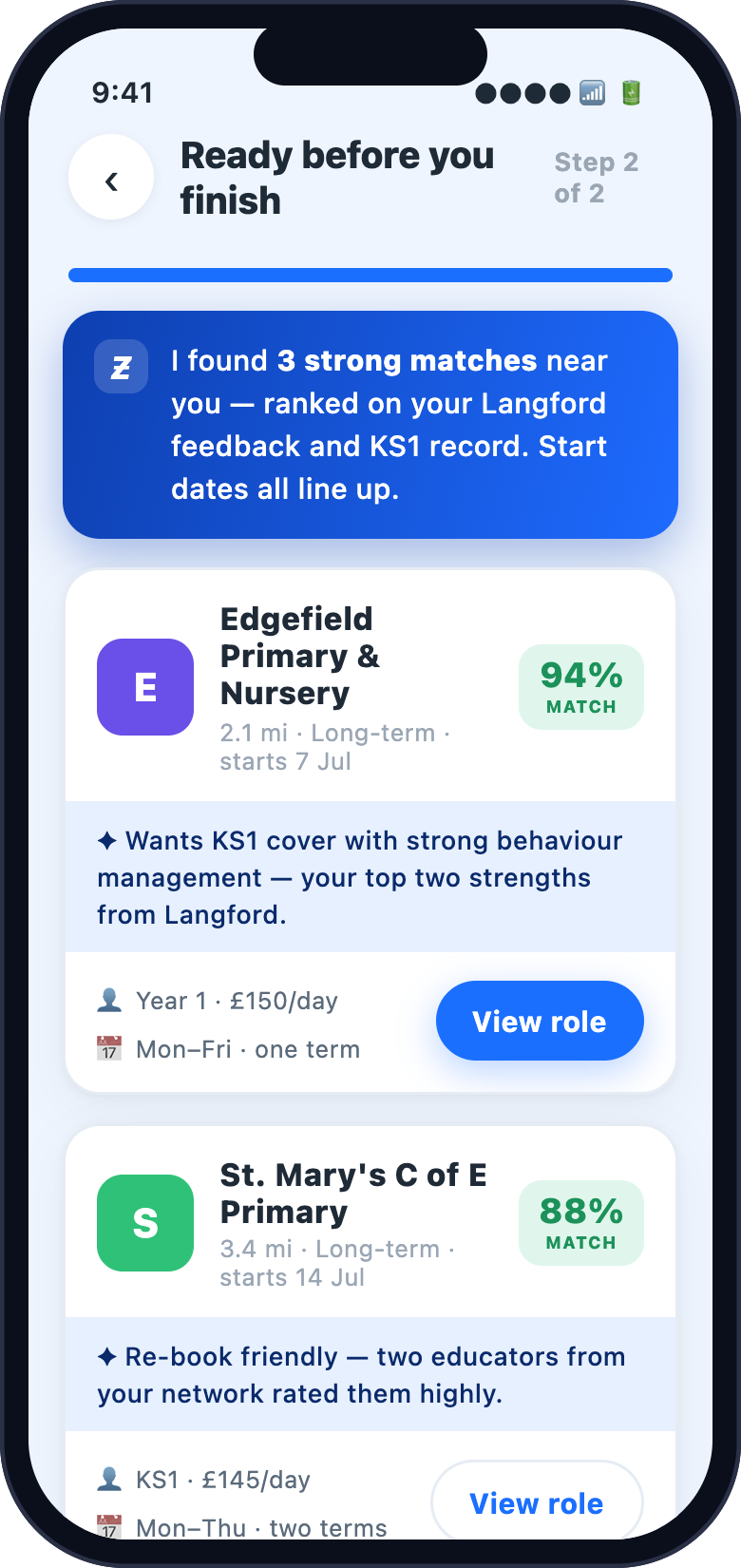
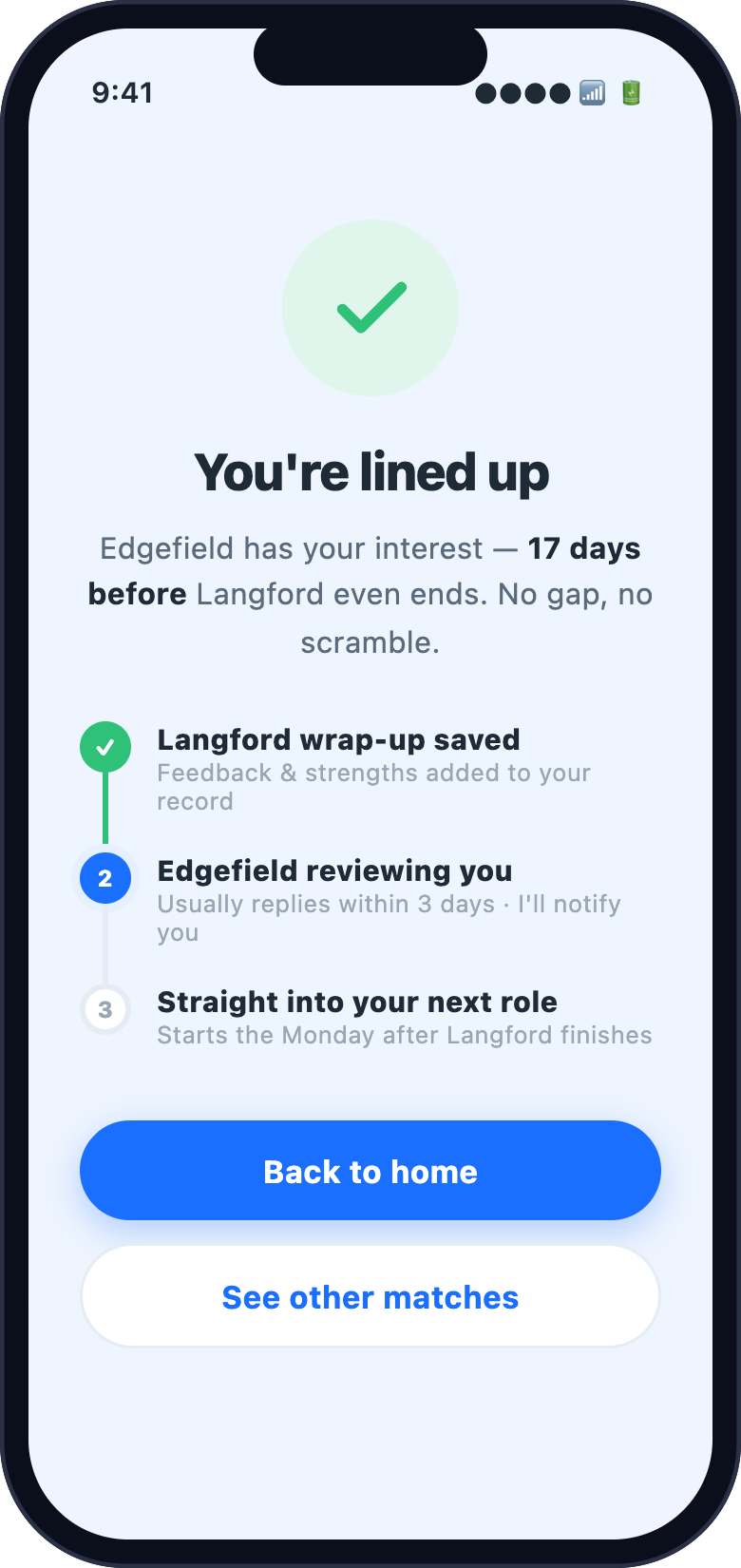
Design challenge for a teacher supply platform - brief + prototype in progress
// Companies I've worked with
// Impact
Design by the numbers.
£0m
SAP acquisition driven by design remit at SeeWhy
£0m
Per-licence SAP enterprise suite - still live on the price list
0
Drop-off reduction at Lloyds Banking Group
// About
The first designer in.
Senior product design leader with 20+ years' experience shaping AI-powered, data-rich platforms from zero to production across enterprise SaaS, financial services, pharmaceuticals, automotive, telco and consumer environments.
I specialise in translating probabilistic ML outputs into governable, trust-led user journeys, embedding human-in-the-loop frameworks, and turning developer-built products into enterprise-grade software.
Track record of leading distributed design teams across UK, Poland and Germany - contributing to a £3.5M acquisition and an enterprise suite still live on SAP's price list at £1.5M per licence.
Let's talk about building something great from the ground up.
// Get in touch
Let's talk
I'll reply within 24 hours.
✓
Message sent
Thanks - I'll get back to you within 24 hours.
ECA International
Reimagining global mobility with AI.
Exploring how AI could simplify the complex process of estimating the cost of relocating employees around the world.
Product DesignAIInnovation0→1
Role
Design Consultant
Client
ECA International
Year
2024
Disciplines
UX/UI · AI · Innovation
// Context
The opportunity
ECA International provides data, software and advisory services for organisations managing global employee assignments — from cost-of-living and salary data to housing, taxation and expatriate allowances.
Relocation estimates are inherently complex. Costs vary by country, city, salary, housing, taxation, allowances and individual circumstances.
The opportunity was to explore whether AI could make that complexity easier to navigate — without losing the accuracy and expertise ECA's customers depend on.
// My role
Brought in to explore what was possible.
I was brought in as a contractor to work on an innovation project exploring how AI could transform the relocation estimation experience.
Working from an early-stage concept, I explored different interaction models, product opportunities and ways AI could change how people interact with ECA's complex data.
The work involved moving quickly from ideas to tangible prototypes — using design to explore, communicate and test what a future AI-powered experience could look like.
Three experiments. One bigger question.
How might AI change the way people interact with complex global mobility data?
Rather than designing a single solution, I explored several possible directions for how AI could simplify the experience.
01
AI Transcribe & Build
From conversation to structured requirements.
AIConversational UX
Prototype
Exploring how unstructured information could be captured, interpreted and transformed into the building blocks of a relocation estimate. Rather than asking users to fill in structured forms, what if they could just describe the situation — and AI handled the interpretation?
02
Mobile AI
A more natural way to interact with relocation intelligence.
Mobile UXConversational AI
Exploring how AI could create a more accessible and conversational experience for interacting with complex relocation information on mobile. Most existing tools are designed for desktop power users — this explored a different kind of entry point.
Prototype coming soon
03
AI Builder
Helping users build complex relocation estimates through AI.
AIProduct Design
Exploring how AI could help users create, refine and understand relocation scenarios without having to navigate every underlying variable themselves. The goal was to make the full power of ECA's data accessible — without requiring expert knowledge to use it.
Prototype coming soon
// The design challenge
Making complexity feel simple.
The challenge wasn't simply to add an AI interface to an existing product.
It was to understand where AI could genuinely reduce complexity — and where human expertise, transparency and control still mattered.
Automation
Let AI carry the weight
Letting AI handle complexity where it could — so users don't have to think about every variable.
Control
Keep humans in charge
Ensuring users stayed in control of important decisions, rather than handing everything to the machine.
Clarity
Make the invisible visible
Making complex calculations and recommendations understandable — not a black box of AI output.
Trust
Build confidence, not dependency
Ensuring the experience didn't erode the expert trust ECA's customers already place in their data.
// Process
Using prototypes to make the future tangible.
Because the project was exploratory, the prototypes became a way of thinking. Rather than trying to define the entire product upfront, I used interaction design to explore different possibilities, expose assumptions and communicate ideas with stakeholders.
Idea→Interaction→Prototype→Evaluate→Refine
The goal was not to create a finished product. It was to discover what the product could become.
// What I took from it
AI is most useful when it removes complexity — not when it simply adds intelligence.
The best AI experience isn't necessarily the one with the most AI. It's the one that makes something previously difficult feel considerably easier.
For ECA, that meant exploring how AI could sit between the user and a highly complex body of data — helping people get to useful answers without needing to understand everything happening underneath.
Next Project
Silverstream Technologies
→
Silverstream Technologies
Greenfield platform design
...for an air lubrication system that reduces ship emissions from centralised web hub to iOS app, delivered in six months.
Head of DesignWeb AppiOSInnovation0→1
Role
Head of Design
Client
Silverstream Technologies
Year
2023
Disciplines
UX/UI · iOS · Innovation
// Context
Reducing emissions at sea.
Silverstream Technologies provides air lubrication systems for ships — technology that reduces friction between a vessel's hull and the water, cutting fuel consumption and emissions significantly.
As the company scaled, they needed a digital layer to make their ALS technology visible, trackable and understandable — for a diverse audience of ship operators, marine engineers and executive teams.
There was no existing design system, no product precedent. Everything had to be built from scratch.
// My role
Head of Design on a greenfield product.
I led the design of a digital performance web application and iOS app for Silverstream's Air Lubrication System — working across a cross-functional team of data scientists, marine engineers and front-end developers.
The application displays live ALS performance metrics, enables vessel tracking and supports maintenance monitoring — all designed for a diverse range of shipping users with very different levels of technical familiarity.
In my first week, I also presented to the company's town hall — proposing an updated colour strategy to align the brand's visual identity with its environmental mission.
Four products. One six-month sprint.
Platform hub, estimation tool, iOS app, and a full design case study — all delivered within the same window.
To manage scale without sacrificing quality, we built a centralised hub as the foundation — so each new application could plug in and benefit from the same architecture.
01
Silverstream Hub
A centralised platform to unify all ALS applications.
Platform DesignMVP
Video
As we embarked on developing multiple applications for Silverstream, it became clear that we needed a robust and scalable solution to support future growth. To future-proof our efforts and streamline integration, we decided to build a centralised hub — a foundation for all applications, ensuring seamless connectivity, easier maintenance and a more cohesive user experience.
To validate this approach, we designed and built an MVP to test our initial applications within the hub, allowing us to assess effectiveness in real-world scenarios and gather crucial feedback before scaling further.
The Silverstream Hub MVP
02
Estimation Tool
Helping the sales team quantify ALS fuel savings in real time.
Data VizSales Tool
Video
I designed a sales estimation tool in collaboration with data scientists, marine engineers and front-end developers. The tool allows users to calculate potential fuel savings from the Silverstream ALS — by selecting ship type (cruiser, tanker, bulker) and inputting parameters such as Deadweight Tonnage, Length Between Perpendiculars, beam and ballast.
Results display as a power-over-speed chart across ballast, laden and scantling conditions — showing gross and net savings and total supplied power. Completed in approximately one month.
The estimation tool — used by sales to calculate ALS system savings
03
iOS App
Mobile access to ALS performance data — delivered on time.
iOSMobile UX
Images
Alongside the Hub, the CEO requested an iOS version within the same six-month timeframe. Despite the challenge of designing wireframes for multiple applications concurrently, the iOS MVP was delivered on time — demonstrating the team's ability to manage complex parallel workstreams without sacrificing quality.
1 / 33
04
Design Case Study
Research, ideation, execution — the full process documented.
ResearchUX
Presentation
The full design case study documents the research, ideation, execution and results of the Silverstream work — providing insight into the design decisions, collaboration process and outcomes that shaped the final products.
1 / 8
// The design challenge
Designing for a world most designers never see.
Shipping is a highly specialised, technical domain. Users range from ship captains checking operational performance to data scientists reviewing emission metrics to sales teams calculating ROI for prospects.
Designing for all of them — simultaneously, in a greenfield context, under a tight deadline — required a design approach that was systematic from day one.
Clarity
Data that speaks clearly
Making complex ALS performance metrics legible and actionable for non-technical users without removing depth for expert users.
Scalability
Build once, extend forever
Designing the Hub as a foundation meant every future application could inherit the same design language and infrastructure.
Versatility
One product, many users
Ship engineers, executives, data scientists and sales teams — each with different needs, mental models and levels of technical fluency.
Speed
Four MVPs in six months
The delivery timeline was aggressive. Parallel workstreams, rapid wireframing and close cross-functional collaboration kept everything on track.
// Process
Immerse, collaborate, iterate.
Designing for a highly specialised technical domain requires genuine immersion. Before drawing a single screen, I worked closely with marine engineers and data scientists to understand what the ALS system actually does — and what would make it meaningful on screen.
Immerse→Wireframe→Test→Build→Ship
Running parallel workstreams across hub, estimation tool and iOS required constant prioritisation — designing foundational patterns first, then letting each application inherit and extend them.
// What I took from it
Great design in unfamiliar territory starts with genuine curiosity.
Shipping is a world most designers never enter. Getting close to it — really close — was what made the work credible, useful and trusted by engineers who'd never worked with a designer before.
Building the Hub as a foundation also taught me the long-term value of investing in architecture early. Every hour spent on the platform saved multiples of that time across every product that followed.
Next Project
SAP
→
SAP
Enterprise UX at the highest stakes.
Four years designing next-generation SaaS and AI products for one of the world's largest enterprise software companies — contributing to a £3.5M acquisition and a £1.5M per-licence suite.
UX/UIEnterprise SaaSAIConversational Design
Role
Lead UX/UI Designer
Client
SAP
Duration
4 Years
Disciplines
UX/UI · Research · AI · Conversational Design
// Context
The scale of the challenge.
SAP is one of the world's largest enterprise software companies. The challenge across four years was helping design next-generation SaaS products that would be used by thousands of professionals across UK, Poland and Germany.
The work spanned two major projects: the CDS suite — a complex enterprise product that contributed to a £3.5M acquisition and still sells at £1.5M per licence — and BoSh, a next-generation AI-powered self-healing operations platform.
Each required translating probabilistic AI outputs into interfaces that non-technical users could trust and act on — without losing the depth that expert users demanded.
// My role
Lead designer across two major product lines.
I led UX/UI design across multiple workstreams — running user research, designing interaction models, building prototypes and working directly with engineering across distributed teams in UK, Poland and Germany.
On BoSh, I introduced conversational design as a core interaction model — challenging the team's approach to language and completely changing how the product gathered information from users via chatbot.
The role required operating simultaneously as researcher, designer, communicator and strategic partner — keeping design intent intact as requirements shifted across long delivery cycles.
Two products. Both still live.
The CDS suite contributed to a £3.5M acquisition and remains on SAP's price list at £1.5M per licence. BoSh redefined how enterprise teams interact with AI-generated operational insights.
01
CDS Suite
The enterprise product behind a £3.5M acquisition.
Enterprise SaaSUX/UI
Video
The CDS suite was a complex enterprise SaaS platform requiring multiple years of sustained design leadership. The product had to serve expert users across multiple markets — UK, Poland and Germany — while remaining commercially competitive at enterprise scale. The final design contributed directly to a £3.5M acquisition and the product remains on SAP's price list at £1.5M per licence.
0:00🔇 Muted
02
BoSh — AI Self-Healing Operations
Redesigning how enterprise teams interact with AI-generated insights.
AIConversational Design
Video
BoSh (Business Operations Self-Healing) was a next-generation SaaS platform that used AI to identify and resolve operational issues autonomously. My role was to make those AI-generated recommendations legible and trustworthy for non-technical users — without removing the depth that engineering teams needed. I also introduced conversational design as a core interaction model, fundamentally changing how the chatbot gathered and surfaced information.
0:00No audio
// Design challenge
Making AI trustworthy at enterprise scale.
The hardest design problem across both products was trust. Enterprise users don't act on AI recommendations they can't explain to their team or their auditors. Every design decision had to balance automation with transparency.
The four key tensions I worked through:
Clarity
Visible, not black-box
Making AI recommendations explainable — so users understood the logic before they acted on it.
Scale
One system, many markets
Designing patterns that worked across UK, Poland and Germany — different contexts, same product.
Personas
Expert and non-expert
Serving technical engineers and business stakeholders within the same interface — without dumbing it down or locking anyone out.
Pace
Long cycles, fast iteration
Keeping design intent consistent through multi-year delivery cycles while responding quickly to shifting requirements.
// Takeaway
Design as competitive advantage.
Four years at SAP reinforced something I believe deeply: in enterprise software, design is not decoration — it's the thing that determines whether a product gets adopted or abandoned. Users have no choice but to use the software, but they have every choice about whether to trust it.
The £3.5M acquisition and £1.5M per-licence pricing of the CDS suite are a direct reflection of what happens when design takes a seat at the strategic table from day one.
Next Project
Monkey Nuts Studio
→
Monkey Nuts Studio
Designing games people actually want to play.
A creative studio building playful, interactive experiences — shaped by real player insight, rapid prototyping, and a belief that the best design feels effortless.
Monkey Nuts is a creative studio built around one idea: games should feel like something worth coming back to. Not because they trap you — but because they genuinely connect people.
Every project is shaped closely with its community — brainstorming, testing, and refining ideas with real players before anything ships. The result is experiences that feel authored, not assembled.
From social bonding games to AR accessibility tools to long-form prediction platforms, Monkey Nuts spans a wide range of formats — united by a commitment to craft and a low tolerance for filler.
"Every game is shaped by real player insight — because the best experiences are co-created, not handed down."
// Projects
01
Get2Know
A social quiz game built to help people build deeper connections.
Product DesignUX ResearchVibe Coding
Video
Get2Know was inspired by my autistic wife, who can find social bonding difficult at times. The game lets people create and share personalised quiz questions in seconds — friends jump in via link or QR code with no sign-up, and receive instant, playful feedback. By writing and answering their own questions, players naturally learn more about each other.
0:00
// Approach
I designed and built a prototype using vibe coding, ensuring it works seamlessly across mobile and desktop. AI tools are highly effective for gaining early stakeholder engagement before investing time in detailed Figma prototypes.
That said, vibe coding tools are not designed for large-scale applications. As projects grow, the lack of IDE-level structure can make it harder to maintain consistency and manage dependencies.
An AR tool that simulates visual impairments to make accessibility challenges tangible.
ARAccessibilityProduct Design
Live Demo
I built EyeFx as a visual tool to assist with accessibility presentations. Using AR, it simulates a range of visual impairments and conditions — making accessibility challenges easier to see and understand for audiences who have never experienced them.
// Purpose
Accessibility is often discussed in abstract terms. EyeFx makes it visceral — putting the experience of visual impairment directly in front of anyone with a camera and a browser. No app install required.
A long-form prediction game with real stakes — SEIS funded, built on AWS.
Product DesignStart-upAWSSEIS
Images
I founded and led a budget-friendly start-up, managing a team of two developers to create a scalable web-app on Amazon's AWS platform. Long Dark Quiz connects users by allowing them to sign up with up to six friends and place a monetary stake into the game.
Over 6–12 months, players predict the outcomes of questions unfolding in real-time. The player with the most correct answers wins the pot. LDQ has been awarded SEIS Funding approval by HMRC.
Monkey Nuts isn't a commercial studio in the traditional sense — it's a personal commitment to making things that are genuinely worth someone's time. Each project starts with a real problem, is shaped by real users, and ships as something real.
The through-line across all three projects: design as empathy in action. Whether that's helping someone connect with another person, see the world through different eyes, or just enjoy a long evening of competitive predicting.
Next Project
Candyspace
→
Candyspace · Rolls-Royce
AI voice intelligence for the engine room.
Designing a proof-of-concept conversational AI assistant for Rolls-Royce's mtuGo application — enabling real-time diagnostics, fault identification and engineer support through voice and text.
Lead Product DesignerVoice UXAIConsultancy
Role
Lead Product Designer
Client
Rolls-Royce · mtuGo
Year
2024
Disciplines
Voice UX · AI · Consultancy
// Context
The machine speaks back.
Candyspace is a London-based digital agency specialising in user-centred digital products for global brands. Through Candyspace, I was brought in as Lead Product Designer on a proof-of-concept for Rolls-Royce's mtuGo application — a mission-critical tool used by engineers to monitor and maintain MTU engines.
The goal: integrate generative AI and natural language processing into the application to create a voice-first assistant capable of real-time diagnostics, fault identification and engineer support — reducing the dependency on manual troubleshooting and dense technical manuals.
Due to the confidential nature of this engagement, specific design artefacts cannot be shared. The work presented here reflects the process, contributions and outcomes of the project.
// My Role
Bridging AI capability and human need.
Engineers using mtuGo relied on manual troubleshooting and dense technical manuals — a process that was slow, inconsistent, and demanding across varying levels of technical expertise. My role was to design an AI system that felt like a trusted expert, not a chatbot.
UX Research & User Needs Analysis
Conducted user interviews with Rolls-Royce engineers to understand workflows and challenges. Mapped the customer journey, identifying key pain points in engine diagnostics and the moments where AI could reduce friction most meaningfully.
Conversational AI System Design
Designed interaction flows for the AI assistant enabling natural conversation for troubleshooting. Developed a voice-first and text-based UI for usability in demanding environments, with structured responses engineered to reduce cognitive load and surface solutions clearly.
AI-Powered Fault Diagnosis & Testing
Integrated NLP logic to interpret user queries and deliver precise solutions. Developed cross-referencing of real-time sensor data with historical fault logs. Led usability testing sessions with Rolls-Royce engineers, collaborating with the AI dev team to refine NLP accuracy for industry-specific terminology.
"AI-driven real-time monitoring, NLP-driven assistance, and intuitive UI design — the foundation for next-generation predictive maintenance."
// Impact
Measurable outcomes for complex systems.
Speed
Faster diagnostics
Engineers could resolve issues more efficiently without extensive manual searches through technical documentation.
Reliability
Reduced downtime
AI-driven insights enabled preventative maintenance and early fault detection, reducing unplanned outages.
Usability
Improved accessibility
Voice and text interfaces made troubleshooting intuitive for engineers of varying technical expertise.
Longevity
Scalable solution
Designed for future integration across Rolls-Royce's AI-driven systems and next-generation maintenance platforms.
// Takeaway
Designing at the frontier.
Working on a project this technically complex — and this confidential — required a high level of trust from the client and a high level of discipline from me. Every design decision had to be grounded in real engineer need, not technology novelty.
The most important lesson: voice UX is not a UI that happens to accept speech. It is a fundamentally different design medium — one where flow, pacing, and error handling matter as much as layout. Getting that right for an audience of Rolls-Royce engineers is a challenge I'm genuinely proud to have taken on.
Next Project
GGMR · Vodafone
→
GGMR · Vodafone
Redesigning the bill nobody wanted to open.
A full concept redesign of the Vodafone paper bill — transforming a document customers dreaded into one that communicated clearly, reduced anxiety, and nudged digital adoption.
Art DirectorArt DirectionGraphic DesignUX Research
Role
Art Director
Client
GGMR · Vodafone
Year
2012
Disciplines
Art Direction · Graphic Design
// Context
The opportunity
GGMR is a fast-paced agency delivering scalable solutions across telecommunications, government and financial services. As an implanted contractor at Vodafone through GGMR, I was brought in to work directly with the Head of Customer Service on a persistent problem: customers were consistently unhappy upon receiving their bills.
User feedback revealed a clear pattern — the existing bill design was overwhelming. Customers found it difficult to locate the information they actually needed, and the visual language actively triggered negative emotions before they'd even read a word.
The task: a full redesign of the bill with no restrictions, to be presented to Vodafone's leadership team. The goal was to reduce negative emotion and fundamentally improve the customer's experience of receiving and reading their bill.
"A bill is a moment of truth. If it causes anxiety before it's been read, design has already failed."
// Design decisions
Seven problems. Seven solutions.
Each element of the redesign responded to a specific piece of user feedback — translating frustration into a clear design brief.
01
Date Information
02
Bill Total
03
QR Code
04
Plan Summary
05
Positive Pay-Off
06
Monthly Charges
07
Usage Charts
Challenge
Solution
// Takeaway
Design as emotional regulation.
This project was a reminder that design isn't always about screens or products. Sometimes the most impactful design work happens on a piece of paper that millions of people receive once a month — and dread opening.
Every decision in this redesign was anchored to a specific emotional state: reducing anxiety, building clarity, and ending on a positive note. The concept was presented to Vodafone's leadership team as a blueprint for improving customer satisfaction and reducing billing-related complaints at scale.
Back to
All Work
↑
// Interview Task · Auth UX
Format
Take-home design challenge
Deadline
4 days
Disciplines
Auth UX · Security · Responsive
Deliverable
30-page design document
// The Brief
Global Relay - a financial SaaS archiving and compliance platform - asked candidates to design a unified login panel handling two distinct authentication flows: traditional ID/password, and SAML-based SSO redirected to a customer-hosted page.
// Core requirements
01 · Determine Login Method
System detects whether a user is configured for password or SSO based on their Login ID - without users needing to know which they use.
02 · Password Auth
Standard ID/password flow with full error handling and security - malicious users must not be able to enumerate valid IDs.
03 · SSO / SAML Flow
After ID lookup, redirect to customer-hosted login page. Global Relay never sees the password. Handle all edge cases and errors.
04 · Scope
Responsive - large monitors to mobile browsers. Single-login UX (log in once, in to everything). Localisation-ready. Async error states.
Competitor analysis across Miro, Amplitude, Zoom, Stripe, Adobe and Coinbase - studying login flow patterns and SSO handling.
Security
Reviewed NIST, OWASP, and SAML standards. Error messages deliberately vague to prevent ID/password enumeration attacks.
Flows
Happy path, SSO path, error states, password reset, MFA, and account lockout - all documented with annotated wireframes.
Accessibility
WCAG-aligned labels, keyboard navigation, screen reader support, and clear input validation with inline guidance.
Next Interview Project
Zen Educate
→
// Interview Task · EdTech
Format
Take-home design challenge
Date
June 2026
Disciplines
Product Design · EdTech · UX
Status
Prototype in progress
// The Brief
Zen Educate is a two-sided marketplace connecting schools with educators for short and long-term work. The June 2026 challenge set a hypothetical Edinburgh scenario - the marketplace looks healthy on the surface, but five signals suggest educators aren't being served across their full lifecycle.
// Edinburgh scenario - five signals
35% · Post-placement drop-off
Educators who complete a long-term placement do not return to Zen for their next role.
50% · Early friction
Verified educators do not secure work within their first 10 days.
<1× · Engagement gap
Educators in long-term roles open the app less than once per week vs. 8+ times for daily supply staff.
4:1 · Marketplace imbalance
Supply to demand ratio creates a "Hunger Games" dynamic - fatigue and disengagement.
25% · Perceived utility ceiling
Respondents say they don't find Zen useful for anything beyond accepting work.
// The task - two parts
Part 1 · 30% - Discovery
Is there meaningful additional value to unlock? How would you structure discovery, prioritise signal, and decide whether this is a supply/demand constraint or a real product gap?
Part 2 · 70% - Design the system
Pick a cohort, define the problem, choose a direction, and bring it to life. End-to-end journey, key screens, behaviour change, and how you'd measure it. High enough fidelity to assess design quality.
// Interactive Prototype
Live prototype - The Nudge · Wrap Up · What's Next · One Tap · Lined Up
Live Prototype
Try the working prototype
The full Zen Educate flow - 5 screens, animated transitions, interactive throughout.
Launch prototype
Previous Interview Project
Global Relay
→
// First-person AI responses
Ask Me Anything
I'm Jago. Ask me about my experience, design process, tools, or what I'm looking for next.
jago@portfolio - ask me anything
sysHi - I'm Jago. Ask me about my experience, the work I've shipped, my design process, or what I'm looking for next. I'll reply directly.
you@visitor:~$
// Curriculum Vitae
Jago Livingstone
LEAD PRODUCT DESIGNER · UX · SAAS · AI · CHATBOTS
UK & International · 07402 546 033 · jagojames@gmail.com · My LinkedIn
Senior product design leader with 20+ years' experience shaping AI-powered, data-rich platforms from zero to production across enterprise SaaS, financial services, pharmaceuticals, automotive, telco and consumer environments. Specialises in translating probabilistic ML outputs into governable, trust-led user journeys, embedding human-in-the-loop frameworks, and turning developer-built products into enterprise-grade software. Track record of leading distributed design teams across UK, Poland and Germany and contributing to a £3.5M acquisition and an enterprise suite still live on SAP's price list at £1.5M per licence.
// Professional Experience
Founder & Product Design Lead
Monkey Nuts Studio · London, UK
Feb 2022 – Present
Founded and lead an independent product studio spanning accessibility innovation and digital product development, with accountability for proposition design, delivery and distributed team leadership.
Accessibility Education & Consulting
Founded the division, co-developed the strategy and syllabus with a Lived Experience Lead, and trained 20+ professionals across design, product and engineering in the first quarter.
Designed an AR-based accessibility simulator replicating visual and cognitive impairments for empathy-led training, now in licensing discussions with UK government platforms.
Mobile Gaming Studio
Conceived and delivered two products from concept to live release: Dungeon Master Slayer (App Store & Google Play) and Get2Know, a social quiz platform designed to deepen group engagement.
Led end-to-end UX with 100+ research participants, validating three monetisation routes and partnering with engineering on AI-assisted content generation at scale.
Secured a £1.5M company valuation (Seedlegals), initial £150K investor interest and HMRC-approved SEIS status; managed a two-developer AWS delivery to build a scalable web platform.
Product Design Lead (Contract)
Candyspace (Rolls-Royce / mtu Go) · London, UK
Nov 2024 – Jan 2025
Delivered a six-week generative AI voice UX proof-of-concept for the mtu Go automotive platform, supporting diagnostics and maintenance planning.
Led design for a generative AI voice experience aimed at engineers, maintenance teams and fleet operators interacting conversationally with engine diagnostics data; defined user personas, workflows, conversation flows and a Figma prototype across the sprint.
Applied Neuro-Linguistic Programming principles to intent definition, conversation structure, error recovery and clarification, designing how the system handled uncertainty without losing user trust.
Surfaced and documented the VUX patterns plus the trust, evidence and reassurance requirements that would need solving before users acted on AI-generated recommendations in a high-stakes operational environment.
UX Consultant (Contract)
ECA International · London, UK
Mar 2024 – Aug 2024
Three concurrent AI workstreams for a global mobility software, data and consultancy business.
Designed AI Transcribe & Build - a UX that compressed a multi-hour manual relocation-report process into a single AI-assisted interaction, lifting speed and consistency for consultants.
Designed a mobile-first conversational interface that replaced long, brittle forms with adaptive question flows, enabling natural-language scenario changes mid-journey.
Designed the AI Builder human-in-the-loop workflow: AI handled data processing while domain experts retained decision authority, with confidence levels, assumptions and edge-case boundaries surfaced to prevent over-trust.
Head of Design
Silverstream Technologies · London, UK
May 2023 – Feb 2024
Reporting to the Chief Digital & Information Officer, led UX for a greenfield responsive web platform and iOS app in the maritime fuel-efficiency sector.
Validated the full design suite through user testing, achieving zero critical task failures and strong stakeholder feedback at launch.
Service Designer (Contract)
Designit (Lloyds Banking Group) · London, UK
Aug 2022 – Oct 2022
Three-month service design engagement across digital banking platforms, chatbots and IVR journeys for a regulated retail bank.
Led design improvements across digital banking, chatbot and IVR journeys, balancing customer experience, accessibility and FCA-regulated compliance throughout.
Reduced live-platform drop-off by 35% through journey simplification and step-count reduction, lifting customer satisfaction across the affected flows.
UX Director, then Product Design Lead
SeeWhy · SAP & SAP Labs · London, UK
Apr 2014 – May 2022
Eight-year tenure spanning the SeeWhy startup, SAP acquisition, Context Driven Services enterprise suite, and the BoSH AI MVP at SAP Labs.
SeeWhy · SAP Acquisition
Established SeeWhy's first design team and redesigned the developer-built real-time behavioural targeting product end-to-end, introducing a new UI and design system that helped drive SAP's £3.5M acquisition in January 2015.
Led end-to-end design across a suite of real-time marketing dashboards, turning dense, data-heavy interfaces into clear, actionable experiences.
Context Driven Services Enterprise Suite
Shaped the Context Driven Services enterprise SaaS suite from concept to launch using Jobs to Be Done and Scrum; the suite remains on SAP's price list at £1.5M per licence.
Partnered with data scientists on machine-learning models analysing user behaviour and engagement, designing how predictive outputs integrated into the marketer's workflow.
Grew from sole designer to leading a distributed team across the UK, Poland and Germany spanning design, research and engineering; mentored a direct report into a department head role.
BoSH AI MVP at SAP Labs
Led end-to-end UX for BoSH, a cloud-based AI MVP that detected, diagnosed and autonomously resolved enterprise operational issues; designed explainability patterns showing what the AI detected, why it recommended action, and where human approval was required.
Shipped the MVP from inception to delivery inside a six-month build window, then iterated through a three-month testing cycle with operational users to reduce ambiguity and lift trust in AI-driven decisions.
UX Lead
Cigna Insurance Services · London, UK
Dec 2013 – Apr 2014
Architected a new customer journey for travel insurance across responsive web and iOS, delivering within a four-month timeframe and doubling customer satisfaction at launch.
Product Designer
TripAdvisor · Oxford, UK
Jun 2013 – Nov 2013
Partnered with the product team to redesign TripAdvisor into a modern, fully responsive platform; ran research and usability testing that measurably improved engagement and usability at launch.
// Education & Qualifications
BA Graphic Design - Reading College of Art and Design, 2003
Generative AI - LinkedIn Learning
SAP Design Thinking & Challenge Management - SAP
UX Foundations: Accessibility, Research & Content Strategy - LinkedIn Learning
"Jago is the kind of person you should have when you want someone you can trust to take care of all the messy under-the-hood aspects of branding and UX."
Read more →
Silverstream Technologies
Josh Macklin
Head of Product
"Jago has enormous capacity and versatility as a designer and in only 9 months helped me lead a brand new development team through from customer requirements to product launch."
Read more →
Silverstream Technologies
Mike Wilson
SME — Data Analysis
"He has endless amounts of enthusiasm and creativity with a knack of communicating even the most complicated concept in an interactive and easy to understand way."
Read more →
Silverstream Technologies
Lucy Newnham
Data Scientist & Software Engineer
"He produced extremely high quality wireframes and expressed a huge understanding of what the customer would need, despite not coming from a marine background."
Read more →
SAP
Lori Ho
Design Lead on Demand
"Jago was an amazing mentor and a trustworthy role model to look up to – without his help, my journey at SAP would be completely different."
Read more →
SAP
Andy Lawrence
Lead Technology Architect
"The end results were stunning and so much better than I could have imagined on my own. Jago has a unique understanding of both UI design styles and the needs of the persona."
Read more →
SAP
Tejaswini Kumar
Technical Product Manager & Data Scientist
"He was a great communicator, who could flex his style for different audiences. It was very easy for me to convey my thought process and technical insights with him."
Read more →
SeeWhy
Charles Nicholls
CEO
"Jago is a talented and creative individual with an eye for simplicity – always extracting the essence of an idea to distill it down to its most intuitive form."
Read more →
DXC
Team Lead
Web Developer
"Jago is a very creative professional who comes up with both innovative and intuitive interfaces for complex web applications. He has very good people skills and gets on well with both clients and colleagues."
Read more →
Cigna
Ian Turner
Senior Developer
"He has shown a lot of creativity and drive. He has proven himself to be a good communicator and extremely calm under pressure."
Read more →
TripAdvisor
Victoria Macgregor
SEO Copywriter & UX Writer
"He's creative and ideas driven, particularly when it comes to devising fresh concepts for campaigns and new ways of solving design problems."
Read more →
Ultimate Concept Marketing
Keyur Patel
Entrepreneur
"Jago is a highly intuitive creative. He has a second sense for intuitive design. His knowledge of User Interface design is second to none."
Read more →
Creativity3
Tammy Robey
Founder
"He needed very little direction and produced outstanding results. Jago worked alongside me until the early hours of the morning to perfect our brand image."
Read more →
Creativity3
Sarah Moore
Account Manager
"Creativity Cubed delivered a strong creative concept both on time and budget which both myself and the client were extremely happy with. I would definitely use Jago again!"
Read more →
Emotive Digital Media
Yessi Bello-Perez
Community Management & Editorial Lead
"Jago is a real pleasure to work with – he is fun, creative, helpful and overall a great asset to our team."
Read more →
Article 10
Suki Bains
Creative Semiotician & Cultural Strategist
"Jago is an excellent conceptual designer. Keen, hardworking and filled with boundless creative energy. Well organised, thorough in planning and has great client-facing skills."
Read more →
Article 10
John Bragg
Digital Marketing & Design
"Jago is an enthusiastic art director who is always open to new ideas. He often worked directly with the client and is comfortable dealing with printers and suppliers."
Read more →
Yell
Amit Sobaa
Lead Product Designer
"Jago is a very competent and keen designer. I found him to be a very professional and dedicated individual. It was a pleasure to work with him."
Read more →
Yell
Iain Torrance
Senior Account Manager
"Jago's no-nonsense approach and drive ensures his work is always high quality, while he is always on hand to assist others and provide hints and solutions on improving designs."
Read more →
PorterHouse Medical
Cheryl Jenkins
Director
"Jay has a natural flair for the creative and is always thinking outside the box. He is a team player and can be relied upon to deliver the goods on time."
Read more →
PorterHouse Medical
Emily Marlow
Forensic Anthropologist / Contract Lead
"Not only is Jay a very talented designer, he is also very likeable and well-respected by clients. He is capable of managing a number of complex projects at once and always meets deadlines."